



Time Management Mastery: Boost Productivity & Balance
Understanding the Importance of Time Management
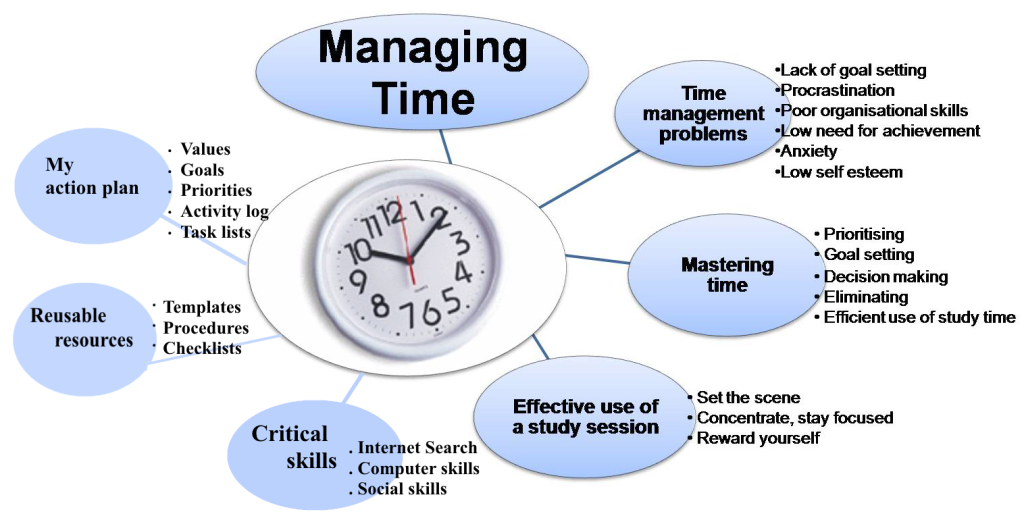
Effective time management is crucial for achieving optimal productivity and maintaining a healthy work-life balance. Without proper time management, individuals may feel overwhelmed by tasks, leading to stress, burnout, and decreased overall efficiency.
By mastering time management skills, individuals can prioritize tasks effectively, allocate time for essential activities, and reduce procrastination. This section explores the significance of time management in personal and professional life.
Identifying Your Priorities

Identifying priorities is essential for effective time management. It involves recognizing tasks that are urgent, important, or both, and allocating time and resources accordingly. Prioritization helps individuals focus on tasks that align with their goals and objectives, leading to better outcomes.
This section discusses various prioritization techniques, such as the Eisenhower Matrix, ABCDE method, and Pareto Principle, to help individuals identify and manage their priorities effectively.
The Power of Goal Setting
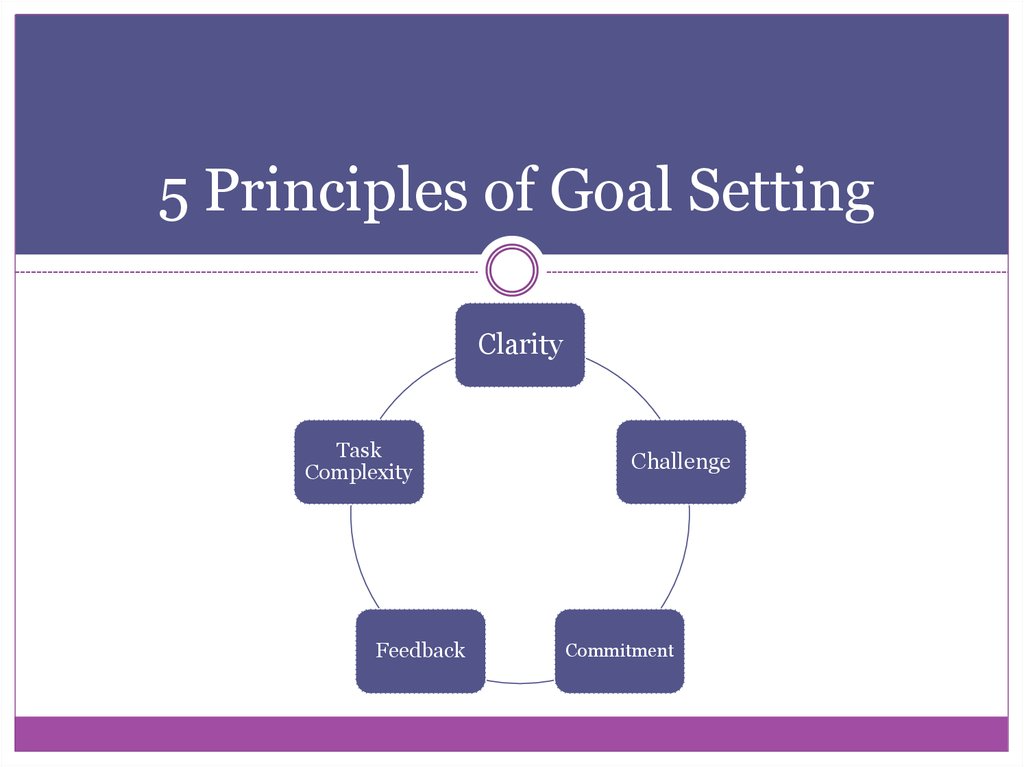
Goal setting is a fundamental aspect of time management. It involves defining specific, measurable, achievable, relevant, and time-bound (SMART) goals that guide individuals in their pursuit of success. Setting clear goals provides direction, motivation, and a sense of purpose, helping individuals stay focused and committed to their objectives.
This section explores the importance of goal setting in time management and provides practical tips for setting and achieving SMART goals effectively.
Creating a Personalized Schedule
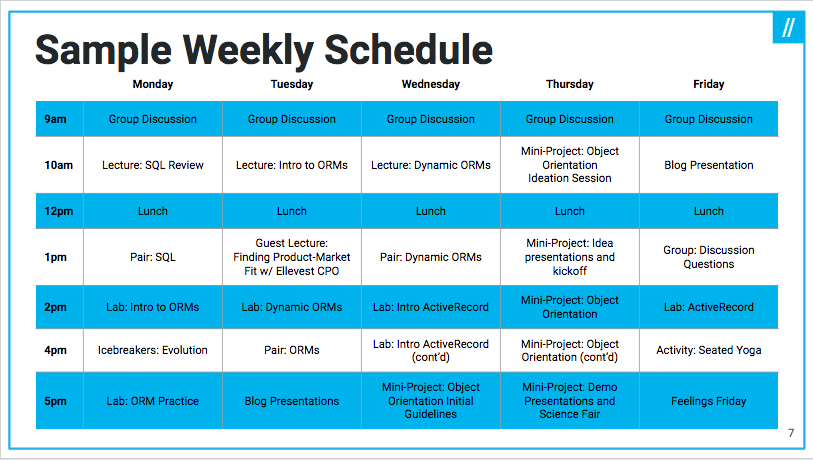
A personalized schedule allows individuals to structure their time according to their unique needs, preferences, and priorities. It involves allocating specific time blocks for different activities, such as work, leisure, and personal development, to maximize productivity and efficiency.
This section discusses various scheduling techniques, such as time blocking, calendar planning, and the Pomodoro Technique, to help individuals create a personalized schedule that optimizes their time and energy.
Overcoming Procrastination
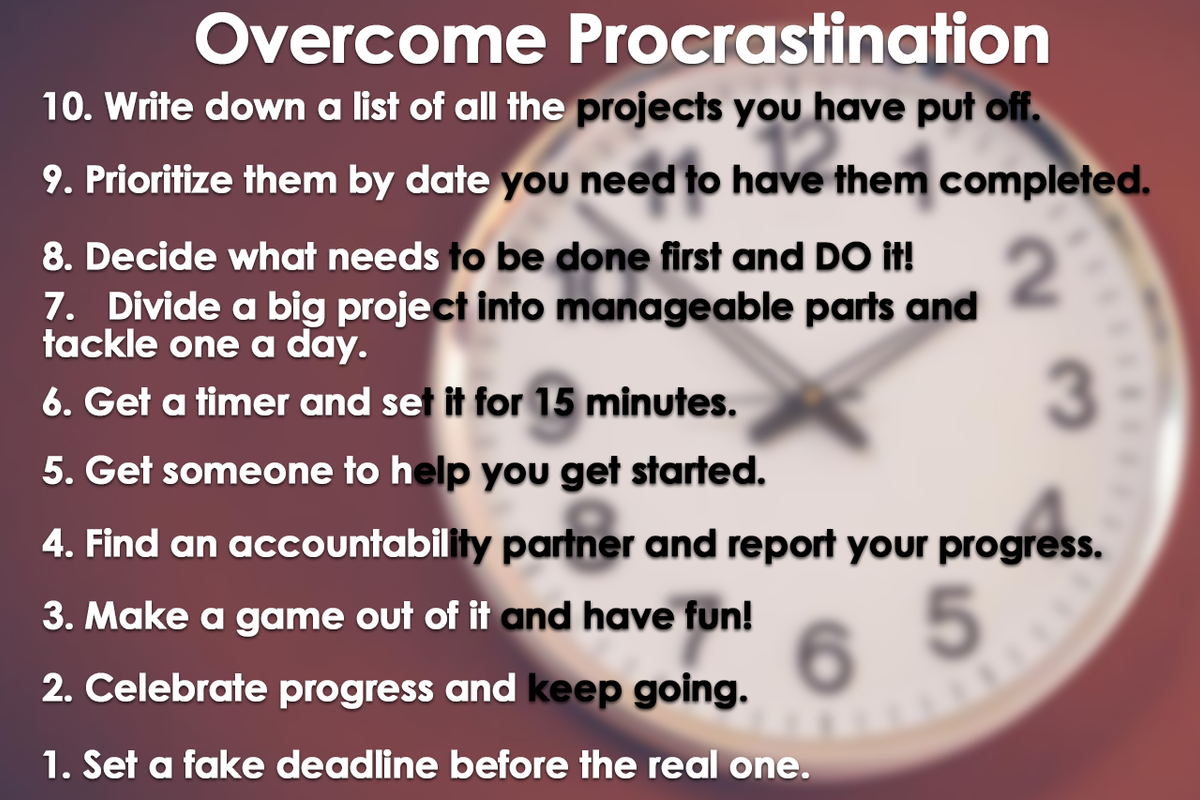
Procrastination stands as a pervasive challenge that often impedes the seamless execution of effective time management strategies. This phenomenon, characterized by the delay or postponement of tasks, poses a considerable hurdle to individuals striving to optimize their use of time. The reasons behind procrastination can be multifaceted, ranging from a lack of motivation and fear of failure to the allure of immediate gratification. Addressing this challenge involves cultivating self-awareness, adopting proactive approaches, and implementing techniques to overcome the psychological barriers that contribute to procrastinatory behavior. By acknowledging and actively working to mitigate procrastination, individuals can pave the way for more efficient time utilization and improved productivity..
This section provides practical tips and techniques for overcoming procrastination, such as breaking tasks into smaller steps, setting deadlines, and eliminating distractions, to enhance productivity and achieve goals.
Streamlining Tasks with Technology

Technology can be a valuable tool for enhancing time management and productivity. There are various software applications, tools, and platforms available that can streamline tasks, automate processes, and improve collaboration.
This section explores different types of productivity tools and technologies, such as project management software, task managers, and communication tools, and provides recommendations for incorporating them into daily workflows.
Mastering the Art of Delegation
Delegation is an essential skill for effective time management and leadership. It involves assigning tasks and responsibilities to others, empowering them to take ownership and contribute to the overall success of the team or organization.
This section discusses the benefits of delegation, best practices for delegating tasks, and common challenges to avoid. By mastering the art of delegation, individuals can free up time for high-priority activities and focus on strategic goals.
Balancing Work and Personal Life
Work-life balance is critical for overall well-being and happiness. It involves effectively managing time and energy to meet both professional and personal responsibilities, without compromising one's health, relationships, or interests.
This section provides tips and strategies for achieving a healthy work-life balance, such as setting boundaries, practicing self-care, and prioritizing activities outside of work. By maintaining a balance between work and personal life, individuals can enhance their overall quality of life and satisfaction.
Continuous Improvement Strategies
Time management is a skill that requires ongoing practice and refinement. Continuous improvement involves identifying areas for growth, experimenting with new techniques, and learning from successes and failures.
This section explores various strategies for continuous improvement in time management, such as self-reflection, seeking feedback, and staying updated on best practices. By adopting a growth mindset and embracing change, individuals can enhance their time management skills and achieve greater success.
Celebrating Success and Learning from Challenges

Successes and challenges are inherent parts of the time management journey. Celebrating successes, no matter how small, boosts morale and motivation, while learning from challenges provides valuable insights for improvement.
This section encourages individuals to celebrate their time management victories and reflect on lessons learned from setbacks. By acknowledging achievements and embracing growth opportunities, individuals can continue to evolve and thrive in their time management efforts.
Q: How does effective time management contribute to increased productivity and better work-life balance?
A: Effective time management ensures that tasks are prioritized, leading to increased productivity and allowing for a more balanced approach to work and personal life.
Q: What are some practical strategies for setting and achieving realistic goals within a time management framework?
A: Goal setting within time management involves creating specific, measurable, achievable, relevant, and time-bound (SMART) objectives. This section explores practical strategies to implement these goals successfully.
Q: How can technology be utilized to streamline tasks and enhance time management skills?
A: Discover how leveraging technology, such as productivity tools and apps, can optimize task management, organization, and collaboration, ultimately improving time management proficiency.
Q: What are effective methods for overcoming procrastination and staying focused on important tasks?
A: Overcoming procrastination involves breaking tasks into manageable steps, utilizing time-blocking techniques, and implementing accountability strategies. Learn practical methods to conquer procrastination and enhance focus.
Q: How can individuals balance professional commitments with personal life responsibilities for overall well-being?
A: Achieving a work-life balance involves setting boundaries, recognizing signs of burnout, and fostering a supportive environment. Explore tips for maintaining equilibrium between work and personal life.
Q: What role does continuous improvement play in mastering time management skills?
A: Time management is a skill that evolves. This section discusses the importance of continuous learning, adaptation, and embracing a growth mindset for ongoing improvement in time management strategies.
Q: Can you recommend resources for further learning on time management and productivity enhancement?
A: Discover a curated list of books, articles, online courses, and tools that can provide additional insights and guidance on mastering time management for enhanced productivity and balance.
Q: How do successful individuals celebrate their time management achievements and learn from challenges?
A: Learn about the mindset of successful individuals who celebrate victories, no matter how small, and view challenges as opportunities for growth within the context of time management mastery.
Conclusion
Mastering time management is essential for achieving productivity, success, and overall well-being. By understanding the importance of time management, identifying priorities, setting clear goals, and implementing effective strategies, individuals can optimize their time and accomplish their objectives with greater efficiency and satisfaction.
Start your journey to time management mastery today and unlock the full potential of your time!


