



Unlocking the Future of Work: Embracing the Benefits of Remote Work
1. Flexibility and Work-Life Balance
Remote work offers unparalleled flexibility, allowing employees to tailor their work hours to better suit their personal lives. This flexibility fosters a healthier work-life balance, reducing stress and improving overall well-being.

2. Increased Productivity
Contrary to initial skepticism, numerous studies have shown that remote workers can be more productive than their in-office counterparts. The absence of office distractions, coupled with the ability to create a personalized and comfortable workspace, often leads to enhanced focus and efficiency.

3. Cost Savings for Employers and Employees
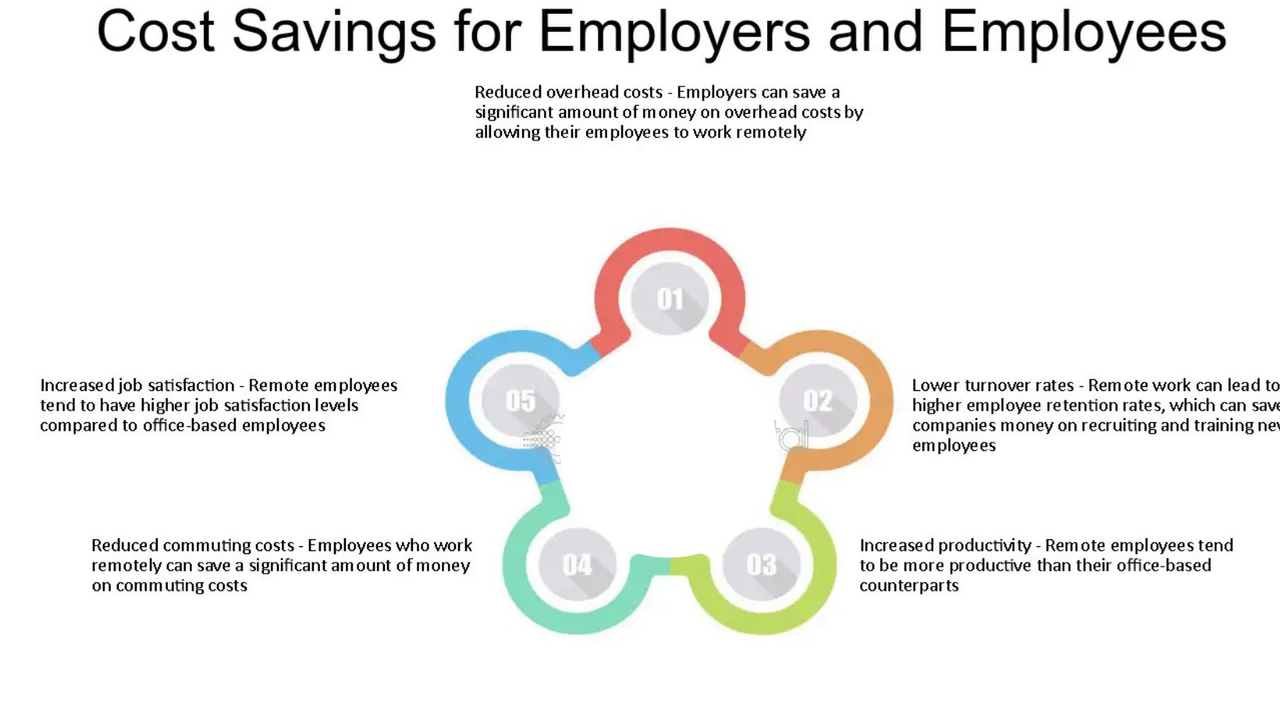
Remote work translates to substantial cost savings for both employers and employees. Businesses can reduce expenses related to office space, utilities, and other facilities, while employees save on commuting costs, work attire, and daily meals outside the home.
4. Expanded Talent Pool
With geographical constraints removed, businesses can tap into a broader and more diverse talent pool. This not only facilitates better workforce diversity but also allows companies to access the most qualified individuals, regardless of their location.

5. Improved Employee Retention
Offering remote work options has become a key factor in employee satisfaction and retention. Employees value the autonomy and trust associated with remote work, leading to increased loyalty to organizations that prioritize flexibility.

6. Reduced Environmental Impact
Remote work contributes to a greener planet by minimizing the need for daily commuting. This reduction in transportation not only decreases carbon emissions but also aligns businesses with sustainability goals.

7. Enhanced Workforce Resilience
Remote work provides a level of resilience in the face of unforeseen events, such as natural disasters or global health crises. Businesses that have embraced remote work are better positioned to adapt to changing circumstances and maintain operational continuity.

8. Boosted Employee Satisfaction and Morale
Remote work is closely linked to increased job satisfaction and morale. Employees appreciate the trust placed in them by employers, leading to a positive work environment and stronger employee engagement.
9. Customizable Work Environments
Remote work empowers individuals to create personalized and ergonomic workspaces. This customization not only enhances comfort but also contributes to improved mental well-being and job satisfaction.
10. Embracing a Global Mindset
Remote work encourages a global mindset within organizations. Collaborating with colleagues from diverse backgrounds fosters creativity and innovation, ultimately driving business success in an interconnected world.